Automation economics
Total cost, successful-unit output, supervision and the path to repeatable returns.
Robotics, digital twins and software-defined production systems moving from demos to deployment.
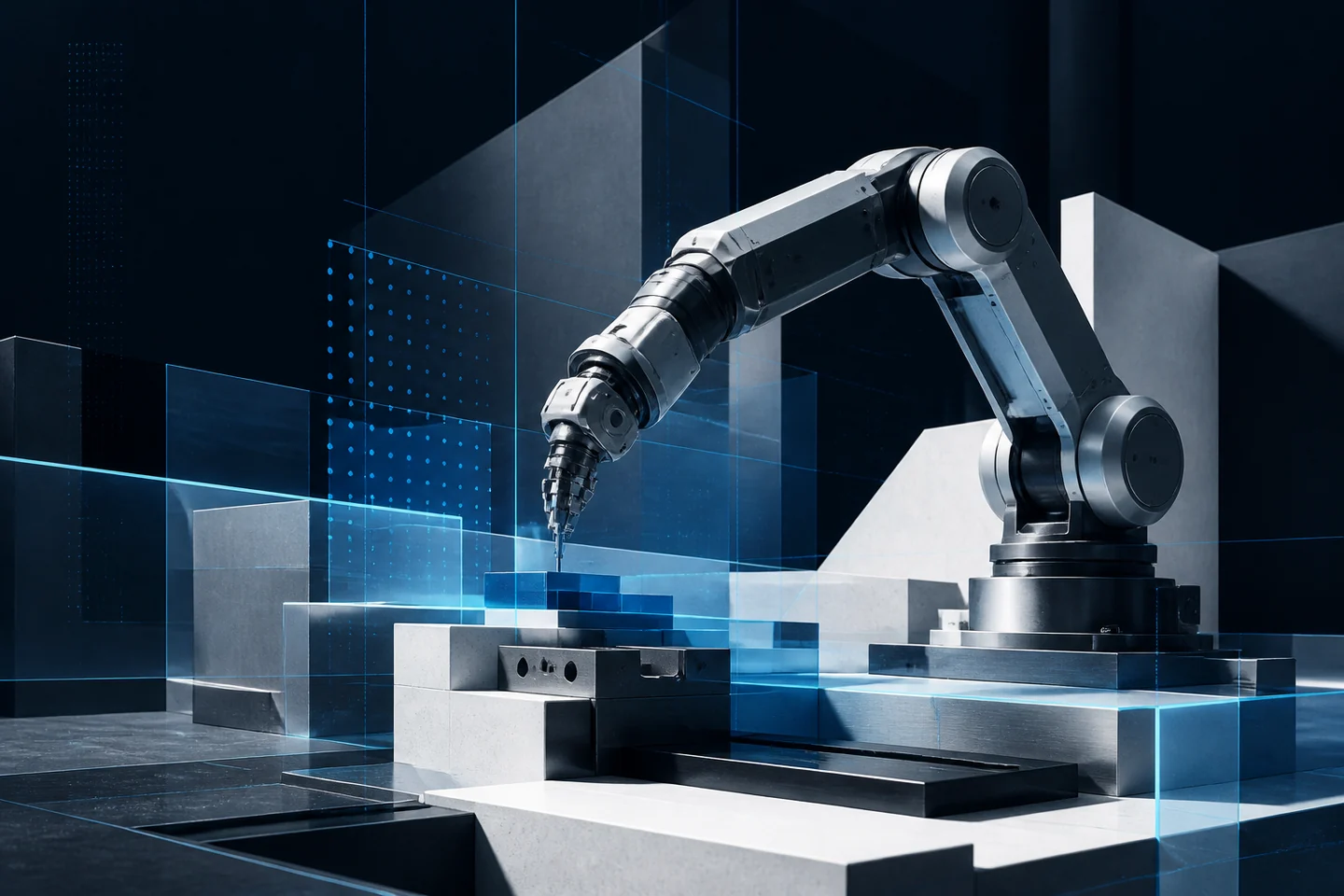
“The most consequential robotics story is not the machine alone, but the integration layer that connects software, people and physical operations.”
Robotics and manufacturing innovation converge where software meets the physical world. The investment case depends on task economics, reliability, safety, integration and the ability to adapt as products change.
We separate impressive demonstrations from repeatable operating systems and connect automation decisions to digital twins, industrial AI and workforce design.
Total cost, successful-unit output, supervision and the path to repeatable returns.
Digital twins, vision, simulation and AI inside engineering and production.
Safety, integration, maintenance and the operating patterns that support scale.
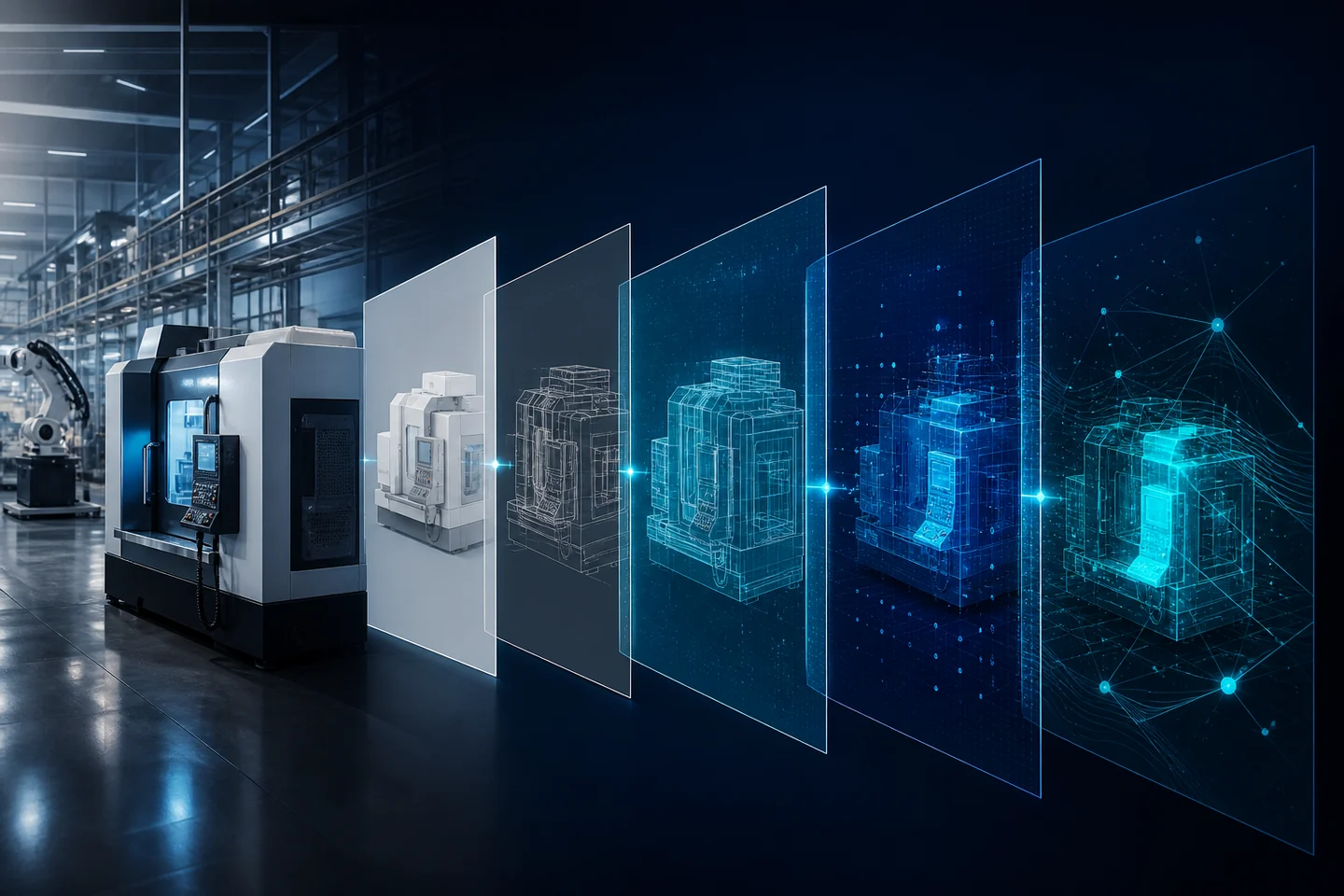
Five stages for distinguishing a useful operating twin from a visual model, and for deciding which data, decisions and ownership should be added next.
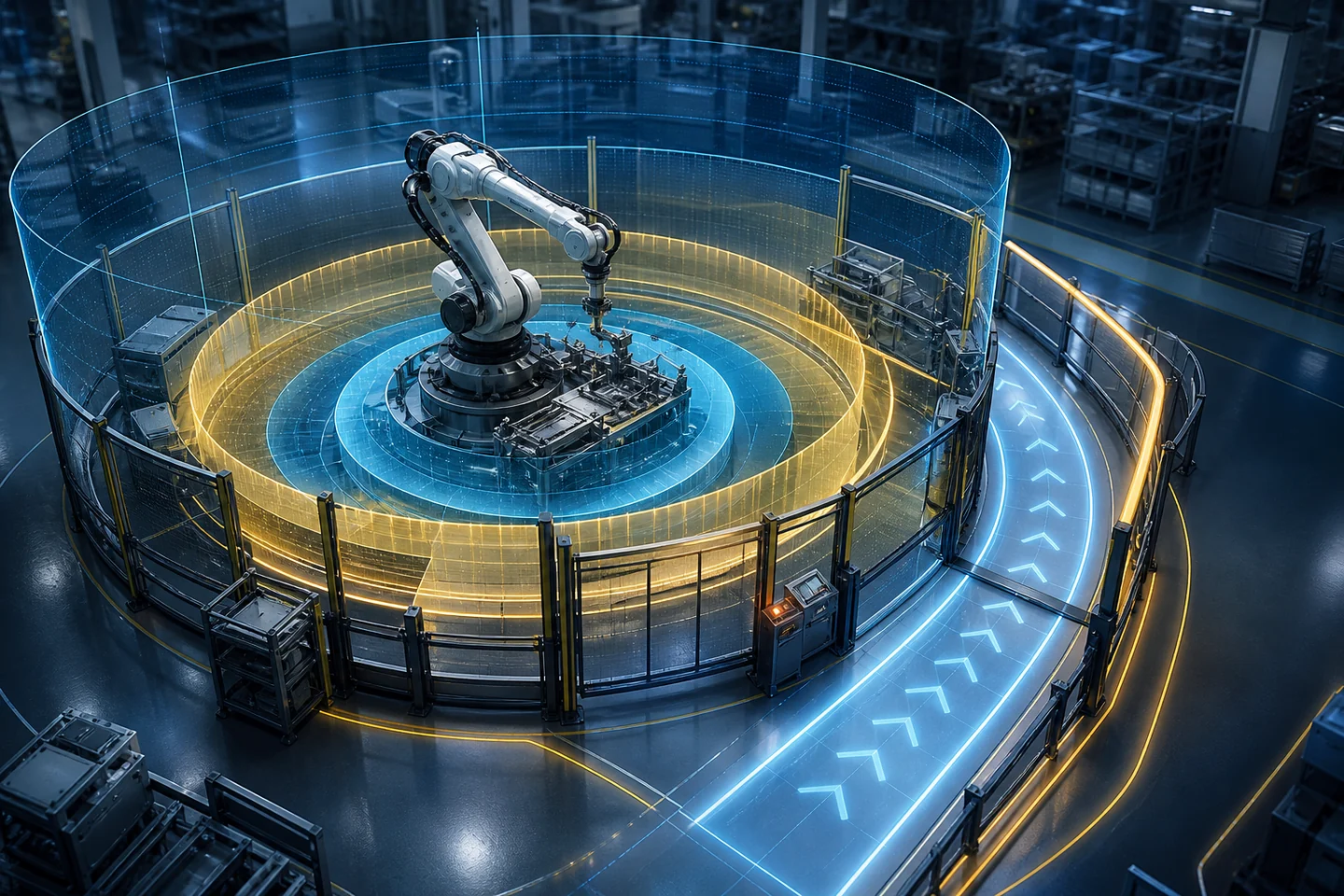
A practical operating checklist connecting task design, risk assessment, human interaction, change control and incident learning.
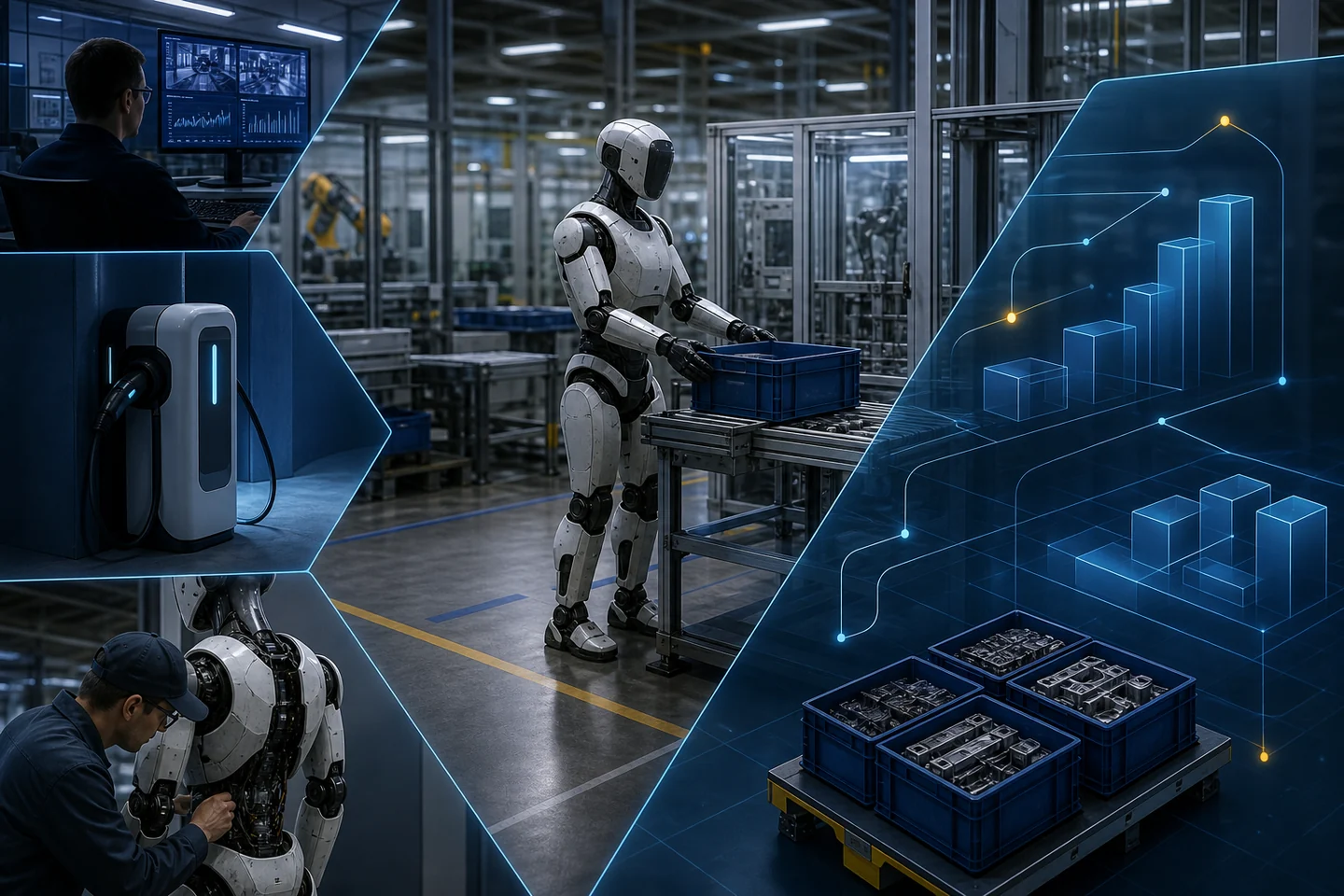
Impressive movement is not the same as an investable operating case. The decisive metrics sit inside reliability, integration and task economics.
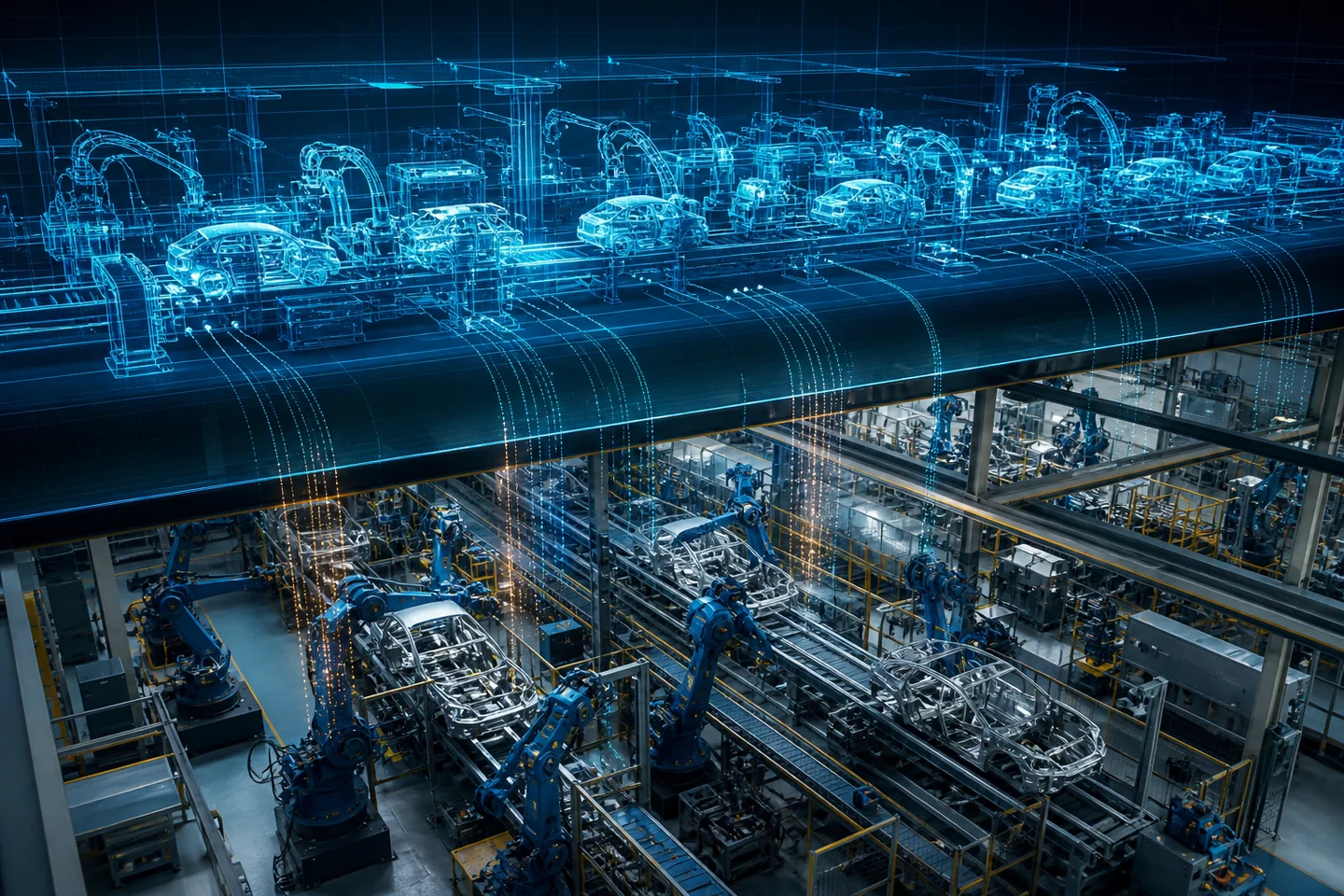
The value of a digital twin emerges when design, operations and maintenance share the same evolving model of a physical system.
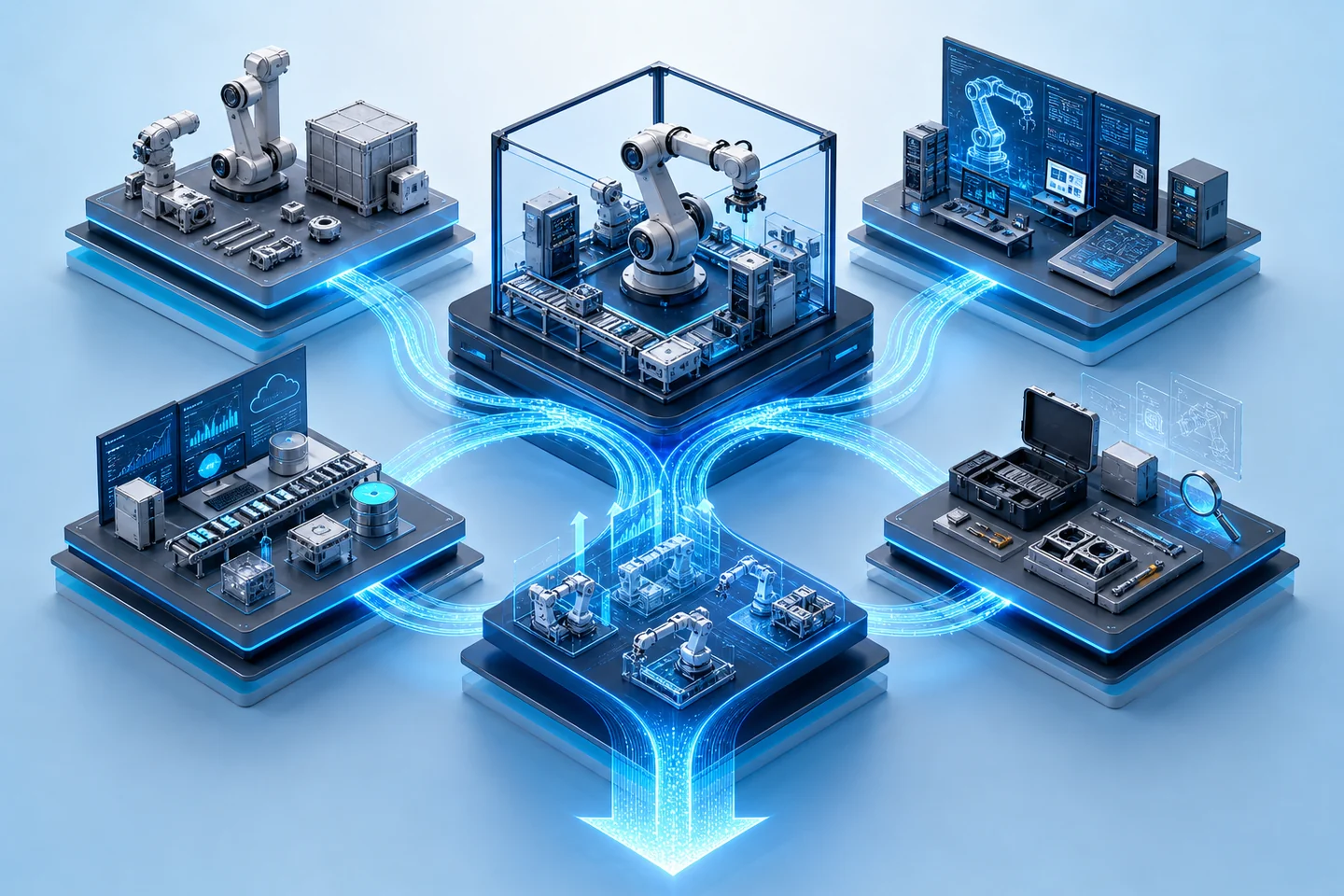
Hardware price is only the opening line. Reliability, integration, changeovers and supervision determine whether automation compounds or stalls.